Best Ways to Maintain Industrial Computers in Extreme Temperatures?

Time:2026-08-21 Author:Charlotte
0%

In industrial environments, computers often face extreme temperatures. These conditions can jeopardize performance and lifespan. Understanding how to maintain industrial computers in extreme temperatures is crucial for ensuring reliability.

Extreme heat can lead to overheating, while frigid conditions may cause component failures. Proper maintenance strategies are essential to mitigate these risks. Using cooling solutions like heat sinks or fans can enhance thermal management. Insulation is another effective way to protect against cold weather impacts. Regularly inspecting components can reveal hidden issues before they escalate.

However, even with the best practices, challenges remain. Equipment might still operate inconsistently when pushed to extremes. This raises questions about the adequacy of existing systems. Continuous evaluation and adaptation are vital. By prioritizing proactive maintenance, industries can bolster the resilience of their computing systems.
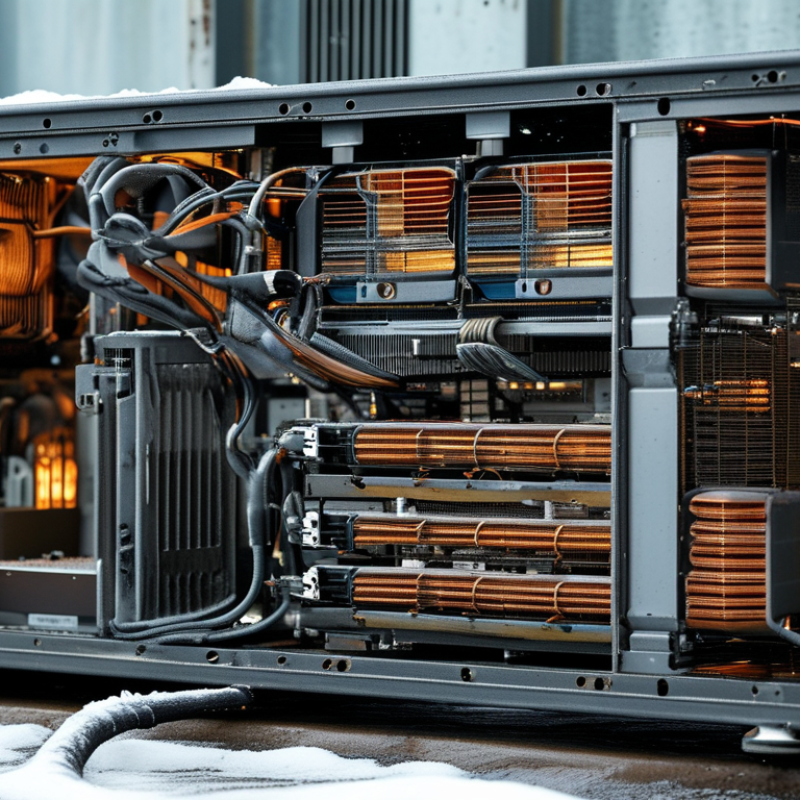
Best Ways to Maintain Industrial Computers in Extreme Temperatures?

Understanding the Challenges of Industrial Computers in Extreme Temperatures

Industrial computers face numerous challenges in extreme temperatures. High heat can disrupt functionality. Cold temperatures can cause components to freeze. Both scenarios lead to system failures. Ensuring these computers operate in harsh conditions requires specialized knowledge.

Heat affects cooling systems. Thermal management becomes crucial. Without proper heat dissipation, internal parts can become damaged. Cold weather presents its own set of issues. Batteries lose charge faster. Components may become brittle. Manufacturers need to consider these factors when designing systems.

Regular maintenance is vital. Inspect seals and coverings regularly. Dust can accumulate, blocking ventilation. Keeping components clean ensures better airflow. Using appropriate enclosures can protect from temperature extremes. Professionals should also keep an eye on performance metrics. Data logging can reveal temperature-related issues. Monitoring allows for proactive interventions, reducing the risk of equipment failure.

Temperature Effects on Industrial Computer Performance

Key Components and Their Limits in Harsh Environments

Industrial computers face significant challenges in extreme temperatures. Key components, like processors and power supplies, can operate within certain temperature ranges. Typically, these components function best between 0°C to 70°C. Beyond those limits, performance may degrade, leading to failures. Constant high temperatures can cause circuits to expand, ultimately affecting connections.

Cooling methods are essential for maintaining operational efficiency. Heat sinks and active cooling systems can help manage overheating. However, these solutions require regular maintenance. Dust buildup can hinder airflow, reducing cooling efficiency. It's crucial to regularly check and clean these components.

On the other hand, low temperatures can cause brittle behavior in plastics used in enclosures. This deterioration increases the risk of physical damage over time. Some components may not even boot in extreme cold. Operators should consider using enclosures and heating elements designed for such conditions. Monitoring the environment is vital. Data logging can provide insights into temperature fluctuations.

Effective Cooling Solutions for Industrial Computing Devices

Maintaining industrial computers in extreme temperatures is crucial for operational efficiency. Effective cooling solutions are necessary to protect sensitive components from overheating. One common solution is to use liquid cooling systems. These systems circulate coolant around the hardware, providing a more efficient means of heat dissipation. However, they can be complex and costly to implement.

Another effective method involves using heat exchangers. These devices facilitate the transfer of heat away from critical components. They work best in environments with stable airflow. Yet, they require careful maintenance to ensure they function properly. Regular cleaning is essential to prevent dust buildup, which can hinder performance. Additionally, ambient temperature monitoring is fundamental. Without constant vigilance, equipment can suffer irreparable damage.

Industrial enclosures equipped with built-in fans can also aid in temperature control. Fans ensure that hot air is expelled while cooler air is pulled in. However, relying solely on fans may not suffice in extreme heat. Periodic testing of fan efficiency and airflow patterns is necessary to avoid potential failures. Each cooling method comes with its own set of challenges and considerations, requiring ongoing evaluation for the best results.

Best Ways to Maintain Industrial Computers in Extreme Temperatures

Cooling Solution Temperature Range (°C) Efficiency (%) Maintenance Frequency (months)
Air Cooling -20 to 50 85 6
Liquid Cooling -20 to 70 92 12
Phase Change Cooling -40 to 80 95 18
Thermoelectric Cooling -10 to 60 80 24
Refrigeration Systems -30 to 50 90 12

Insulation and Protective Measures for Temperature Extremes

Extreme temperatures pose significant challenges for maintaining industrial computers. Proper insulation and protective measures are critical to ensuring their reliability and longevity. Recent studies reveal that thermal insulation can reduce heat exchange by up to 80%, significantly lowering the risk of overheating in high-temperature environments.

When insulating industrial computers, the choice of materials is crucial. High-quality thermal barriers, such as aerogel and polyurethane foam, can provide the necessary protection. These materials significantly minimize heat absorption and maintain stable operating conditions. Moreover, encapsulation strategies help shield electronic components from both heat and moisture damage.

However, relying solely on insulation is not enough. Active cooling systems also play a vital role. Regular maintenance of these systems ensures optimal performance. Overall, the combination of effective insulation and robust cooling solutions can significantly enhance the longevity of industrial computers in extreme temperature settings. Continuous monitoring of temperature fluctuations is essential to adapt strategies as needed.

Regular Maintenance Practices to Ensure Optimal Performance

Maintaining industrial computers in extreme temperatures is crucial for their longevity and performance. Regular maintenance practices can greatly influence their operational efficiency. According to a report by the International Society of Automation, up to 70% of computer hardware failures in industrial environments are temperature-related. These failures often arise due to poor airflow or dust accumulation, which can lead to overheating.

Keeping the components clean is essential. Dust particles can obstruct airflow and trap heat inside the system. It’s advisable to schedule cleaning sessions every three months. Consider using compressed air to clear dust from vents and fans. Inspect internal parts regularly, especially in high-temperature settings. Make sure that all cooling mechanisms, like heat sinks and fans, are functioning effectively.

Monitoring temperature levels is another critical practice. Using thermal sensors allows for real-time temperature tracking. If readings exceed optimal levels, adjustments should be made immediately. Regularly check the system’s operating conditions against the manufacturer’s specifications. It’s essential to be proactive in identifying any temperature spikes to avoid long-term damage.

Establish a routine for checking cable connections and power supplies. Loose connections can lead to power fluctuations, causing strain on components during temperature extremes. Regularly evaluate software updates and firmware, as they may include performance improvements for operating in challenging conditions.

FAQS

: What challenges do industrial computers face in extreme temperatures?

: High heat can disrupt functionality, while cold can cause components to freeze. Both may lead to failures.

Why is thermal management important for industrial computers?

Without proper heat dissipation, internal components can suffer damage, affecting performance and longevity.

How can insulation help industrial computers in extreme temperatures?

Proper insulation can reduce heat exchange significantly, lowering the risk of overheating in high-temperature environments.

What materials are effective for insulating industrial computers?

High-quality thermal barriers like aerogel and polyurethane foam offer necessary protection against temperature extremes.

What maintenance practices can enhance the performance of industrial computers?

Regularly cleaning dust and debris, inspecting seals, and monitoring airflow improve operational efficiency.

How often should maintenance be performed on industrial computers?

It's advisable to schedule cleaning sessions every three months to maintain optimal performance.

What role does active cooling play in maintaining industrial computers?

Active cooling systems are crucial for controlling temperature and preventing overheating alongside insulation.

How can temperature monitoring improve computer reliability?

Using thermal sensors allows for real-time tracking, helping to identify and address potential issues promptly.

Why is proactive maintenance important for industrial computers?

Early identification of temperature-related issues can prevent long-term damage and reduce the risk of failure.

What should be regularly inspected in industrial computer systems?

Cable connections and power supplies should be checked routinely to avoid power fluctuations in extreme conditions.

Conclusion

Maintaining industrial computers in extreme temperatures is essential for ensuring their reliability and performance. Understanding the challenges posed by harsh environments is the first step, as it allows operators to identify the specific limits of key components vulnerable to extreme temperatures. Implementing effective cooling solutions, alongside proper insulation and protective measures, can greatly enhance the durability of these systems.

To ensure optimal performance, regular maintenance practices, such as monitoring temperature levels and inspecting cooling systems, should be prioritized. By focusing on how to maintain industrial computers in extreme temperatures, organizations can minimize downtime and extend the lifespan of their equipment, ultimately leading to improved productivity and efficiency in demanding industrial settings.

Charlotte

Charlotte

Charlotte is a seasoned marketing professional with a deep understanding of the company's portfolio and a passion for elevating its presence in the market. With a keen eye for detail and a commitment to excellence, she ensures that our professional blog is regularly updated with insightful articles......