In the rapidly evolving industrial landscape, understanding "what is edge computing in industrial applications" has become essential. Edge computing refers to processing data closer to the source, minimizing latency and bandwidth use. This paradigm shift enhances real-time decision-making capabilities, which is crucial for industries like manufacturing, logistics, and energy.
The integration of edge computing allows devices on the factory floor to communicate efficiently. For example, sensors collecting data from machinery can analyze performance on-site. This data can prevent costly downtimes and optimize operations. However, organizations must navigate challenges like security and data management. The complexity of these systems can lead to potential failures.
As industries strive to adopt this technology, the need for skilled professionals grows. Many enterprises face difficulties in implementing edge solutions effectively. Therefore, understanding what edge computing is in industrial applications is vital for leveraging its full potential. Embracing this technology could reshape the future of industrial operations, driving innovation and productivity.
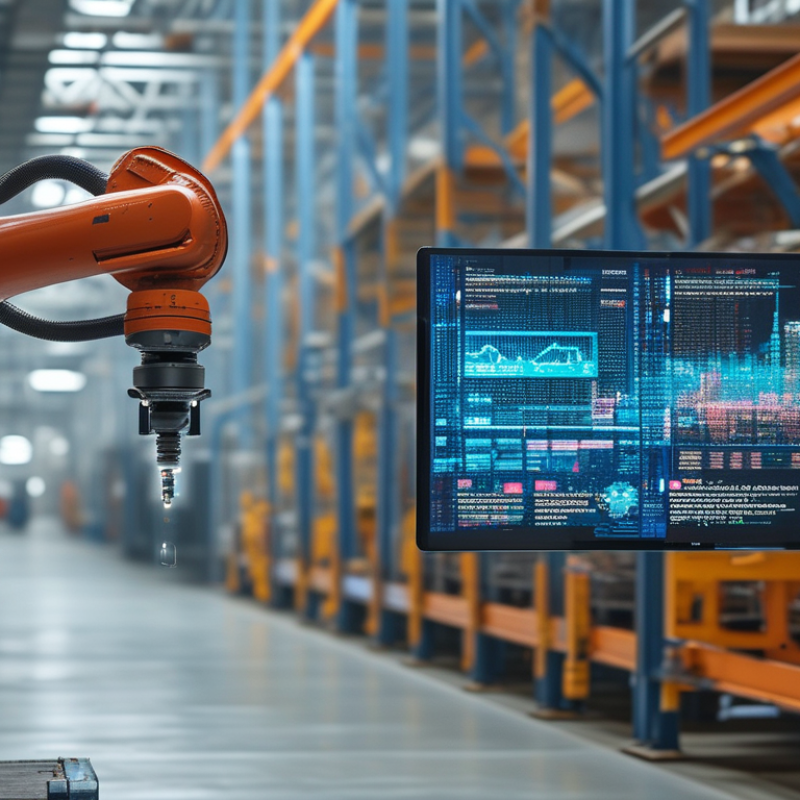
Edge computing is revolutionizing industrial settings by bringing data processing closer to the source. Instead of relying solely on centralized data centers, edge computing minimizes latency and enhances performance. Devices like sensors and machines collect vast amounts of data. By processing this data on-site, industries can respond to insights in real time, improving efficiency and decision-making.
Consider a manufacturing plant using edge devices to monitor machinery. These devices analyze performance data instantly. Any anomalies are detected immediately, reducing downtime. However, implementing edge computing isn’t without challenges. Companies must address security vulnerabilities and ensure reliable connectivity. The integration of edge solutions requires careful planning and regular updates, reflecting the need for ongoing improvements.
Moreover, the balance between edge and cloud computing is delicate. While edge enhances immediate data processing, offloading some tasks to the cloud can provide deeper analytics. This dual approach can complicate the infrastructure but also enrich data insights. Ultimately, understanding the nuances of edge computing is crucial for industries seeking to harness its full potential.
| Application Area | Edge Computing Benefits | Key Technologies | Use Case Example |
|---|---|---|---|
| Manufacturing | Reduced latency, real-time data processing | IoT Devices, Local Servers | Predictive maintenance on machines |
| Supply Chain Management | Improved visibility, faster decision-making | Edge Analytics, RFID Trackers | Real-time inventory tracking |
| Energy Management | Optimized energy usage, reduced operational costs | Smart Grid Devices, Local Processing Units | Monitoring and controlling energy consumption |
| Transportation | Enhanced safety, improved traffic management | Vehicle Sensors, Edge Computing Nodes | Smart traffic lights coordinating with vehicles |
| Healthcare | Faster patient monitoring, reduced data transmission costs | Wearable Devices, Edge Gateways | Remote patient health monitoring |
: Edge computing processes data near its source, improving real-time decision-making and reducing latency for faster responses.
It processes data locally, sending only valuable insights to the cloud, thus reducing network strain and enhancing efficiency.
Real-time analysis allows immediate adjustments in production, resulting in improved efficiency and minimized downtime.
As industries grow, scalable edge devices can be quickly deployed, providing necessary flexibility for evolving technology.
Integration with legacy systems can create data silos, hindering effective implementation and data management strategies.
The distributed nature of data processing can elevate vulnerabilities to cyberattacks, demanding enhanced security measures.
Consider initiating a small pilot project in areas with high data flow to showcase edge computing's potential benefits.
Many organizations lack the expertise required for secure deployment of edge solutions, making training crucial for success.
Regularly reviewing cybersecurity protocols and staying updated on industry developments can help reduce potential risks.
Evaluating current systems for compatibility is crucial to maximize the benefits of edge computing effectively.
Edge computing is a transformative approach in industrial applications, bringing data processing closer to the source of data generation. This method enhances real-time decision-making by reducing latency and bandwidth use, which is crucial for industries like manufacturing and logistics. The key advantages of edge computing include improved response times, increased data security, and the ability to process vast amounts of data promptly.
Incorporating edge computing into industrial settings enables organizations to harness real-time insights, thereby optimizing operations and resource management. However, implementing edge computing also comes with its challenges, such as the need for robust infrastructure and addressing security concerns. Understanding what is edge computing in industrial applications is vital for businesses looking to remain competitive in an increasingly data-driven landscape.

 Fray Tech