Factories are continually seeking ways to enhance efficiency and productivity. One significant upgrade many have embraced is the industrial touch panel PC. But why do factories use industrial touch panel PCs? This question encapsulates the core benefits of these devices. They offer intuitive touch interfaces, enabling operators to interact directly with machines. This leads to reduced training time and increased operational speed.
Moreover, industrial touch panel PCs are built to withstand harsh environments. Dust, moisture, and temperature fluctuations pose challenges in production settings. These ruggedized devices ensure reliability and longevity, which is crucial for factories aiming to minimize downtime. Instead of fussing with traditional controls, workers can quickly adjust settings with a simple touch.
Yet, the choice isn’t purely about technology. It reflects a shift in how factories operate. The move toward digitization requires tools that are both functional and user-friendly. While there are concerns about screen durability and user adaptability, the advantages often outweigh these pitfalls. Ultimately, adopting industrial touch panel PCs signifies a step toward modern industrial efficiency.
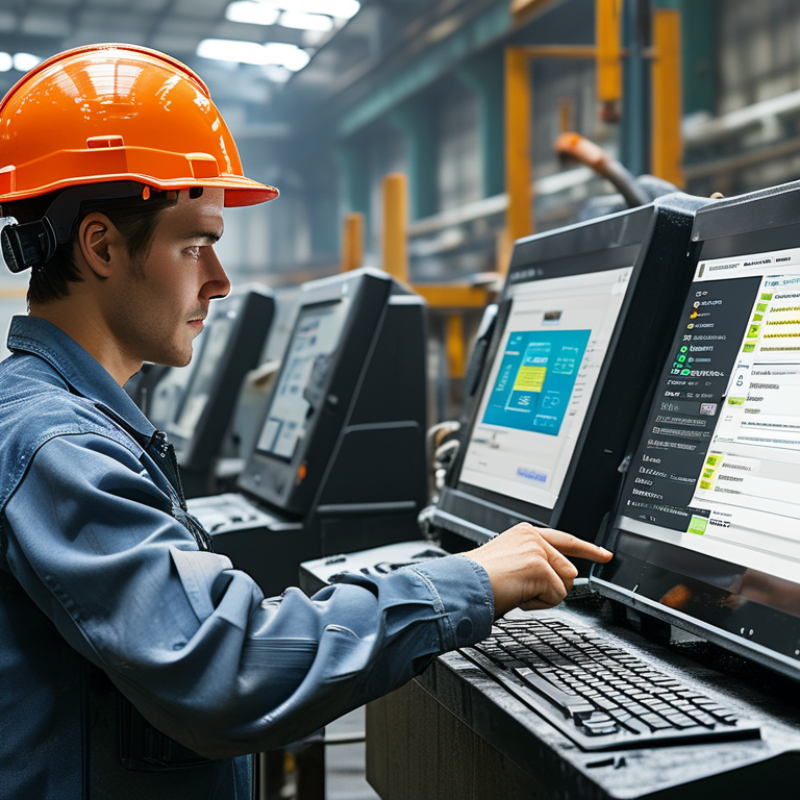
Industrial touch panel PCs have gained popularity due to their unique advantages in various settings. One significant benefit is their user-friendly interface. Workers can quickly adapt to the touch controls, minimizing training time. This accessibility fosters a more efficient workflow. Touch screens eliminate the need for physical buttons, making them easier to clean and maintain.
Another distinct advantage is real-time data access. Operators can monitor processes without moving from their stations. This capability enhances productivity, as it allows for immediate decision-making. Furthermore, rugged designs cater to industrial environments. Many touch panel PCs resist dust, moisture, and extreme temperatures. However, durability can sometimes lead to overheating issues, requiring regular checks to ensure optimal performance.
Additionally, these devices support multiple applications. They integrate with various systems, promoting versatility. Yet, this integration can occasionally lead to compatibility problems. Industrial settings often need tailored solutions, and some off-the-shelf options may not fit perfectly. Balancing performance with adaptability remains a challenge for many manufacturers, but the potential for improved operations is undeniable.
In the fast-paced environment of factories, an enhanced user interface is crucial. Industrial touch panel PCs offer intuitive interaction. They simplify complex operations and improve productivity on the floor. Workers can quickly access essential data and controls with just a tap. This streamlining of tasks leads to fewer errors and faster decision-making.
Tip: Ensure that interfaces are user-friendly. A well-designed touch panel can significantly reduce training time. Focus on clearly labeled icons and responsive designs. If workers struggle with the technology, inefficiencies will arise.
The flexibility of touch panels accommodates various industrial tasks. Workers can customize screens to suit specific processes. This adaptability fosters a more personalized working experience. However, some users may still face challenges adapting to new technologies. Regular feedback from employees can drive improvements. Monitoring usability is essential to ensure the technology meets workers' needs effectively.
Industrial touch panel PCs are increasingly favored by factories due to their durability and reliability. These devices are designed to withstand harsh environments. They often feature robust enclosures that can resist dust, moisture, and extreme temperatures. This resilience is essential in manufacturing settings where equipment faces daily wear and tear.
The reliability of industrial touch panel PCs is another critical factor. Many units undergo rigorous testing before being deployed. They often come with long life spans, minimizing the need for frequent replacements. However, not all models meet the same quality standards. It’s important for companies to assess the specific needs of their environment. Choosing a panel that combines both functionality and cost-effectiveness requires careful consideration.
Moreover, these PCs can be prone to issues over time. Touch screens may lose sensitivity or become unresponsive. Factories must keep the maintenance of these devices in mind. Regular checks can help extend their lifespan and operational efficiency. Investing in training for staff on proper usage adds an extra layer of reliability in dynamic factory conditions.
| Reason | Description | Impact on Operations |
|---|---|---|
| Durability | Built to withstand harsh environments and conditions. | Reduces downtime and maintenance costs. |
| Reliability | Designed for continuous operation without failures. | Enhances productivity and operational efficiency. |
| User-friendly Interface | Intuitive touch screen controls for ease of use. | Improves speed and accuracy in operations. |
| Multi-functionality | Can perform various tasks like data monitoring and control. | Streamlines processes and reduces the need for multiple devices. |
| Environment Resilience | Operates effectively in extreme temperatures and conditions. | Ensures consistent performance in diverse settings. |
| Customization | Easily customizable to meet specific factory needs. | Enhances adaptability to varying operational demands. |
| Integration Capabilities | Seamlessly integrates with existing systems and machinery. | Facilitates improved workflows and communication. |
| Long Lifespan | Designed for a longer operational life compared to consumer devices. | Reduces total cost of ownership over time. |
| Cost-effectiveness | Offers great value for industrial applications. | Enhances return on investment (ROI) in production. |
| Enhanced Security | Features robust security protocols to protect data. | Safeguards sensitive operational information. |
Industrial touch panel PCs have become essential in modern factories, especially with the rise of automation and IoT integration. These devices serve as powerful interfaces, allowing operators to interact seamlessly with complex systems. Factories rely on them to monitor machinery and control processes in real-time, enhancing efficiency and reducing downtime.
One significant advantage of using touch panel PCs is their ability to connect with various automation systems. This integration ensures that data flows smoothly between devices. For instance, when a machine's performance dips, alerts are sent immediately. Operators can then troubleshoot issues without delay. Moreover, with systems connected via IoT, factories gain insights into productivity trends, enabling informed decision-making.
Tips for successful integration include conducting regular assessments of system compatibility. Ensure all devices communicate effectively. It's crucial to update software to prevent security vulnerabilities. Training staff on the latest technologies can also improve overall efficiency. However, some factories face challenges in implementing these systems. Resistance to change and a lack of technical skills can hinder progress. Addressing these issues early will foster a smoother transition to a more automated environment.
In today’s manufacturing landscape, cost efficiency is essential. Industrial touch panel PCs offer unique benefits that can lead to significant returns on investment (ROI). Often, these devices simplify operations, allowing workers to manage tasks more intuitively. A user-friendly interface reduces training time and errors, ultimately saving money.
Additionally, touch panel PCs save space. Their all-in-one design minimizes the need for multiple devices, which can lead to decreased maintenance costs. Factories benefit from lower energy consumption as well. Less hardware draws less power, increasing overall efficiency. Some installations may still face challenges, like initial setup costs and potential technical issues, which require careful planning.
Moreover, versatile applications of touch panel PCs can optimize various processes. From inventory management to quality control, these devices enhance productivity. However, manufacturing leaders must assess their unique needs before committing to an investment. It is crucial to understand the balance between upfront costs and long-term savings, making informed decisions that align with operational goals.
: They offer a user-friendly interface, real-time data access, and rugged designs for tough environments.
Workers adapt quickly to touch controls, reducing training time and fostering efficiency in processes.
Yes, they are built to resist dust, moisture, and extreme temperatures, but they can overheat sometimes.
Screens may lose sensitivity, and regular checks are needed to ensure their continued functionality.
They support multiple systems, but integration can lead to compatibility issues in some cases.
Their long life spans reduce replacement needs, but quality can vary among different models.
Assess specific environmental needs and balance functionality with cost-effectiveness for optimal performance.
Yes, investing in staff training on proper use can enhance reliability in dynamic factory conditions.
Balancing performance with adaptability in a constantly evolving manufacturing landscape can be difficult.
Factories increasingly turn to industrial touch panel PCs for several compelling reasons. One of the primary motivations is the enhanced user interface and interaction these devices offer, allowing operators to easily engage with complex systems. Furthermore, the durability and reliability of industrial touch panel PCs are crucial in harsh manufacturing environments, ensuring that operations remain uninterrupted.
Another essential factor is their ability to integrate seamlessly with automation systems and the Internet of Things (IoT), fostering a connected workspace that enhances productivity. Additionally, the cost efficiency and return on investment associated with these technologies make them an attractive option for manufacturers. Overall, understanding why do factories use industrial touch panel PCs highlights their role in advancing industrial operations and improving overall performance in manufacturing settings.

Fray Tech